Case study · Innovation · cross-border payments & health
A digital front door for medical tourism
Turning a fragmented discovery, booking, payments, and aftercare journey into one trusted, end-to-end platform — secured by the network's payment rails.
Care is affordable abroad — getting there safely isn't
Medical procedures have become unaffordable for many in the U.S., while the same care is far more approachable in other countries. But finding reputable providers, arranging travel and accommodation, booking excursions, and staying in contact with doctors are almost entirely separate, disconnected steps.
The worst part is payments. What does someone needing medical care do if the wire transfer fails, or the provider turns out not to be reputable? There was no recourse for the patient.
A trusted one-stop-shop that didn't exist yet
A medical tourism company wanted to build a platform connecting patients traveling for procedures with accredited facilities — and enabling flexible, secure payments between patients and providers — while creating value for both sides that the market didn't offer today.
Leading it from blank page to validated, built concept
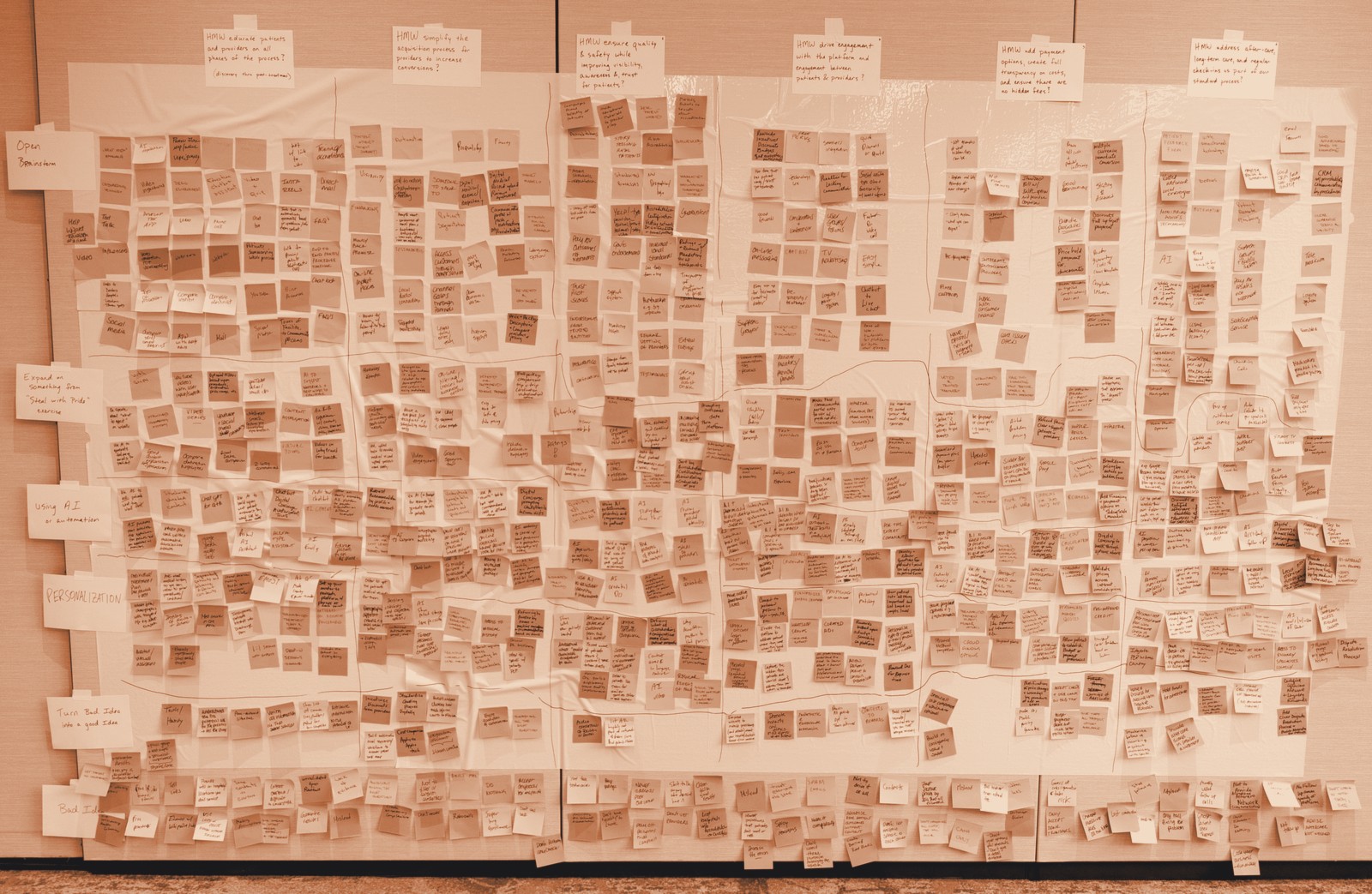
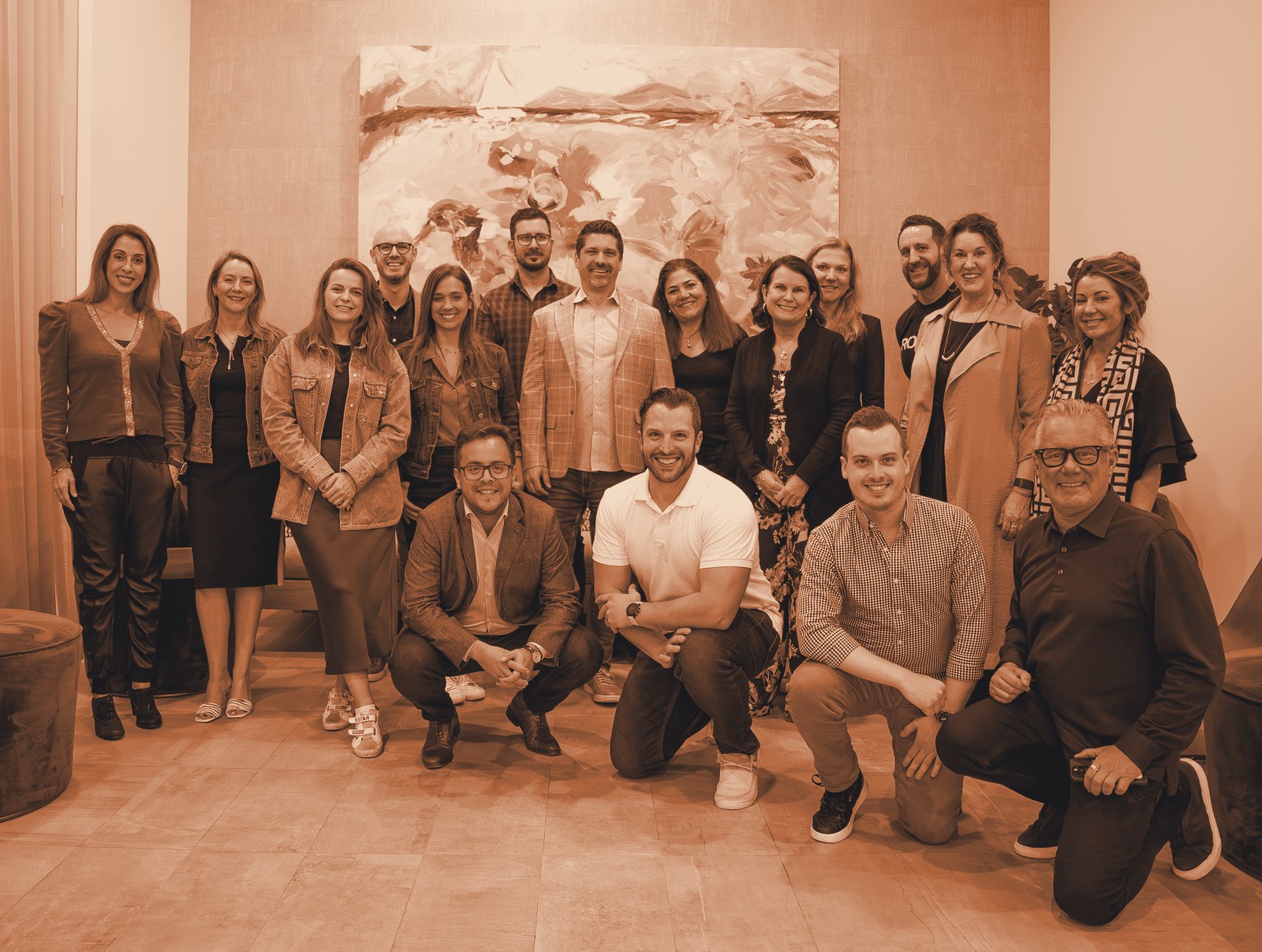
As Lead Innovation Strategist, I owned the engagement end to end and the cross-functional team behind it — strategists, designers, developers, video producers, subject-matter experts, product owners, and the account team. I planned the design-thinking workshop so the team had everything needed to build a functional prototype and advertisement, drove client alignment to a single experience strategy, and kept the work aligned to the account's broader roadmap — including third-party payment and insurance partners.
Forty weeks, structured to de-risk every step
The rigor behind the concept
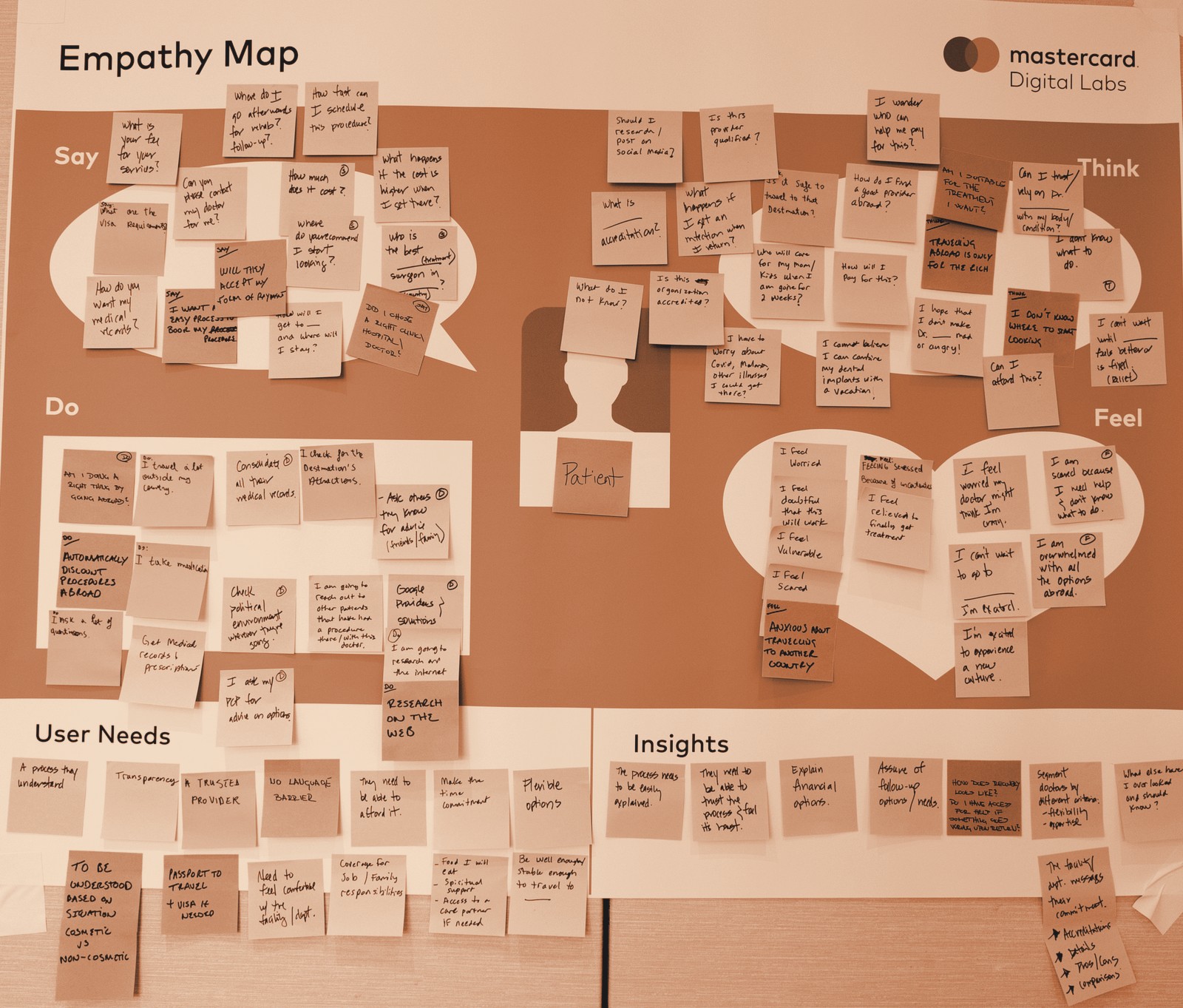
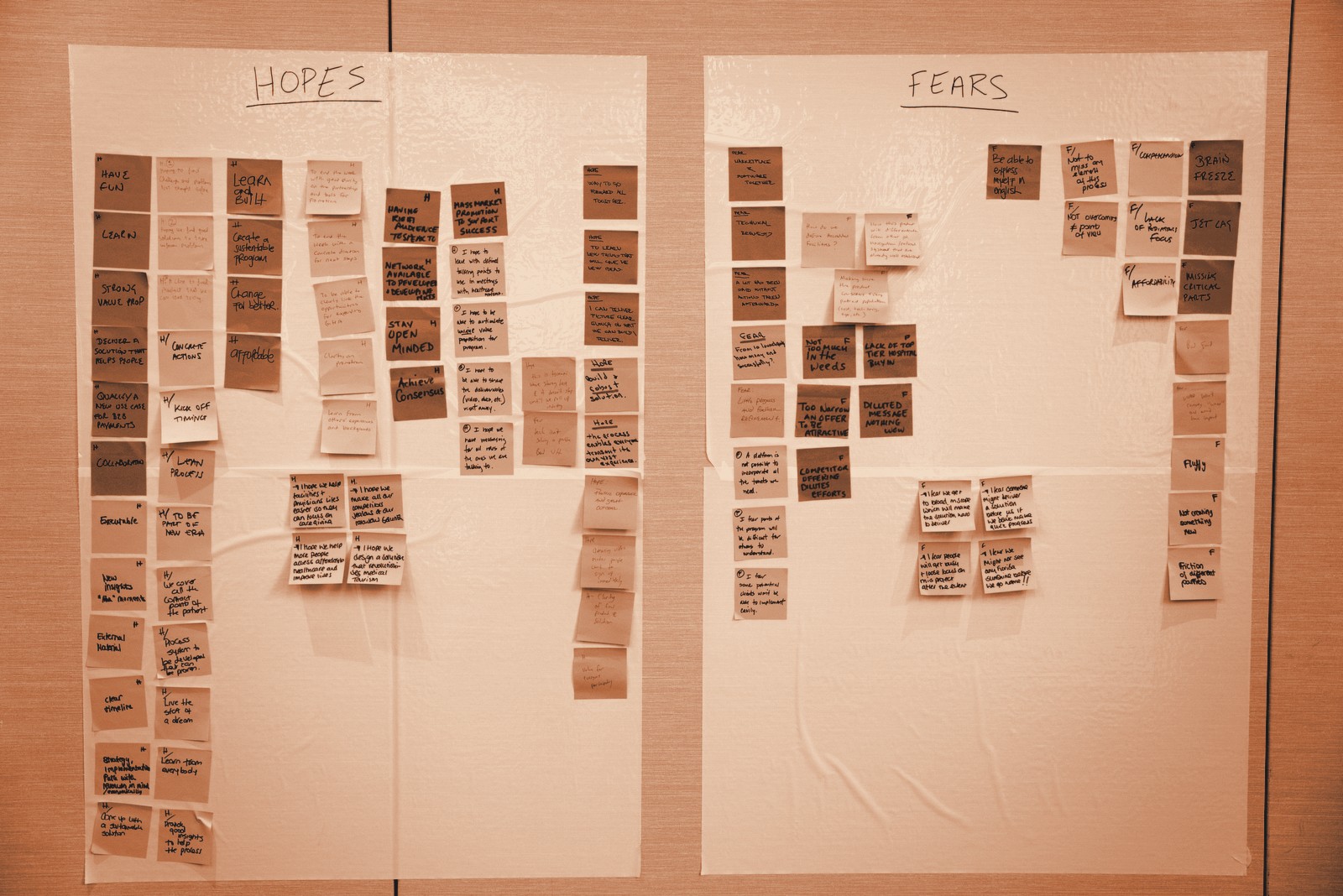
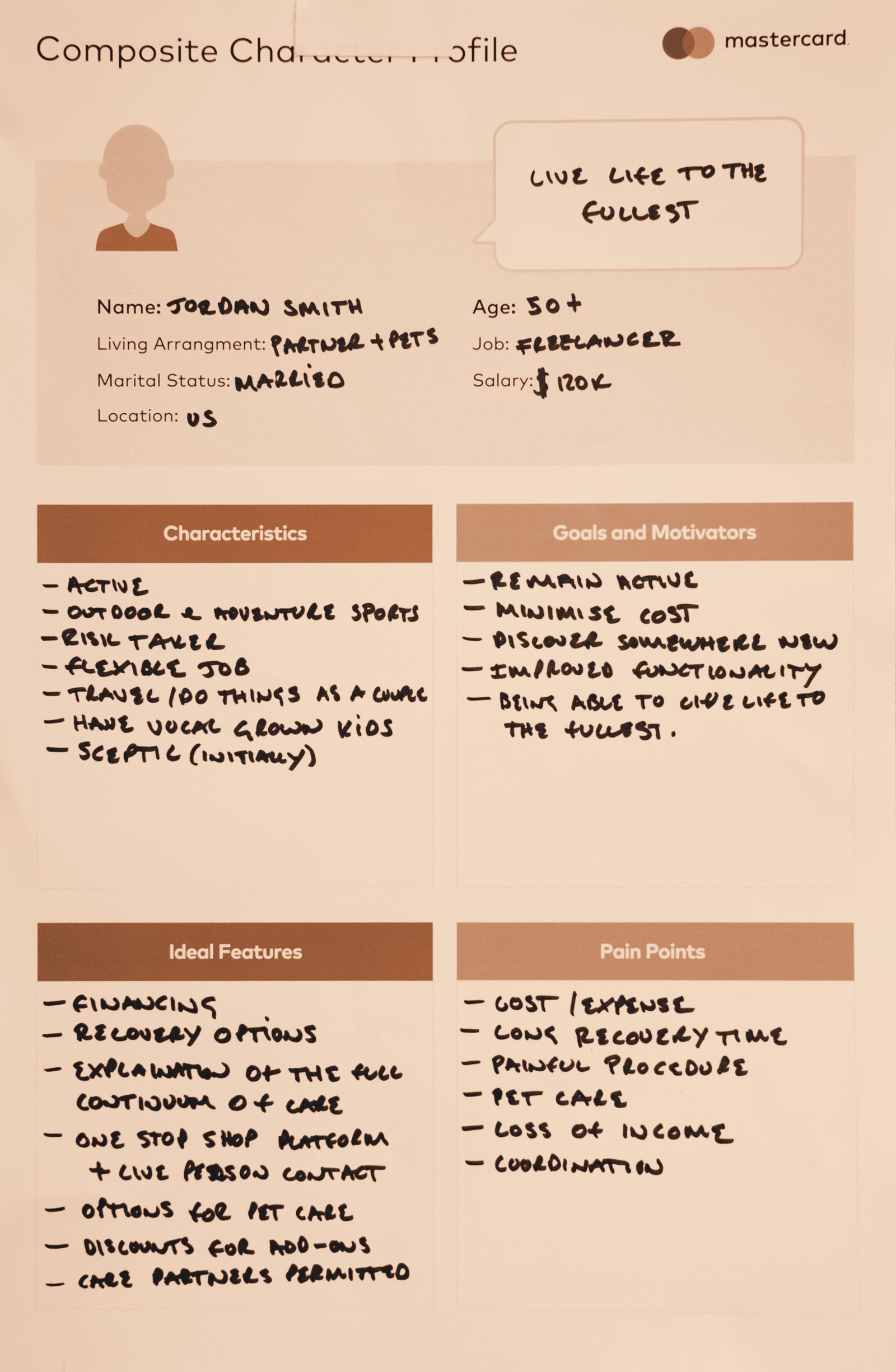
A validated concept doesn't come from a brainstorm — it comes from building the evidence. Much of the actual output, sanitized (client specifics removed, structure intact):
A working prototype, not a slide
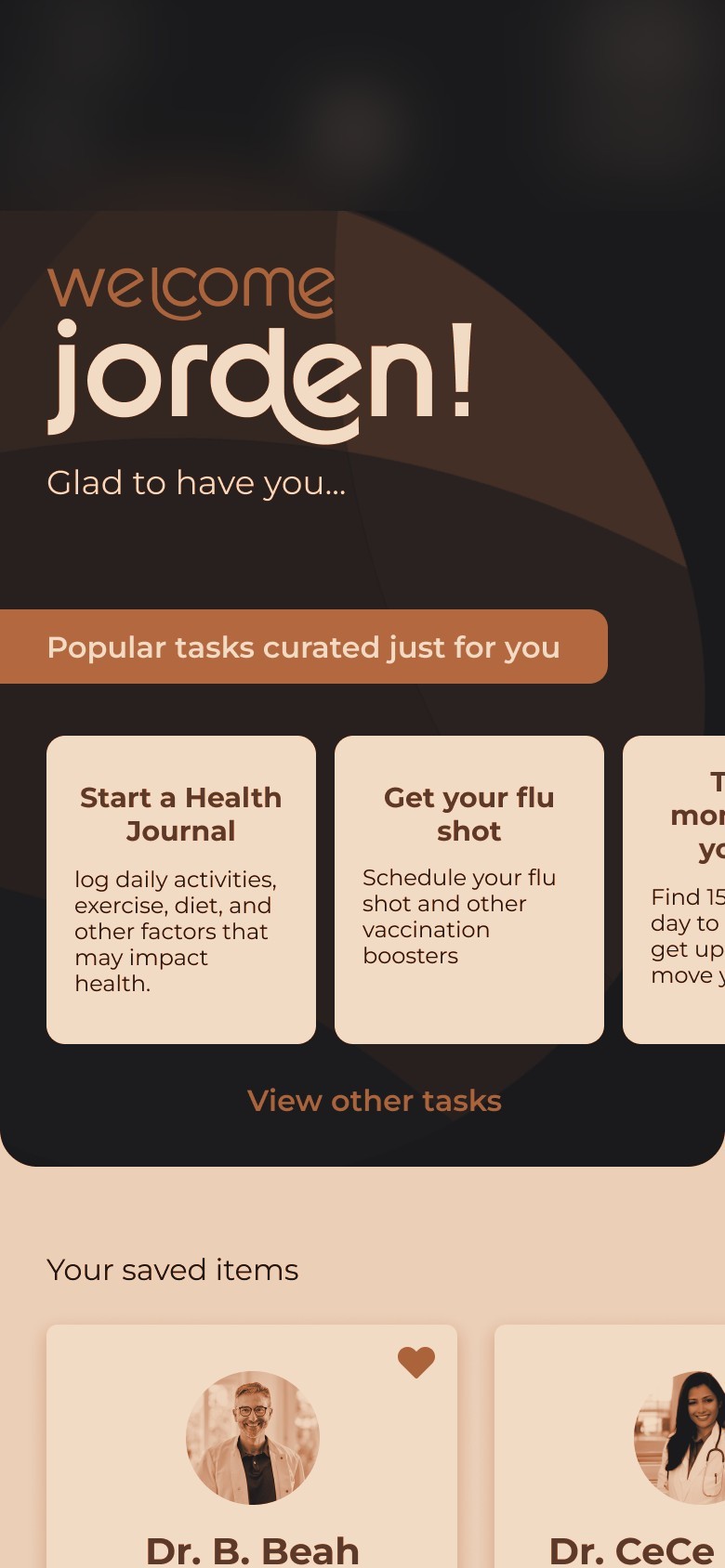
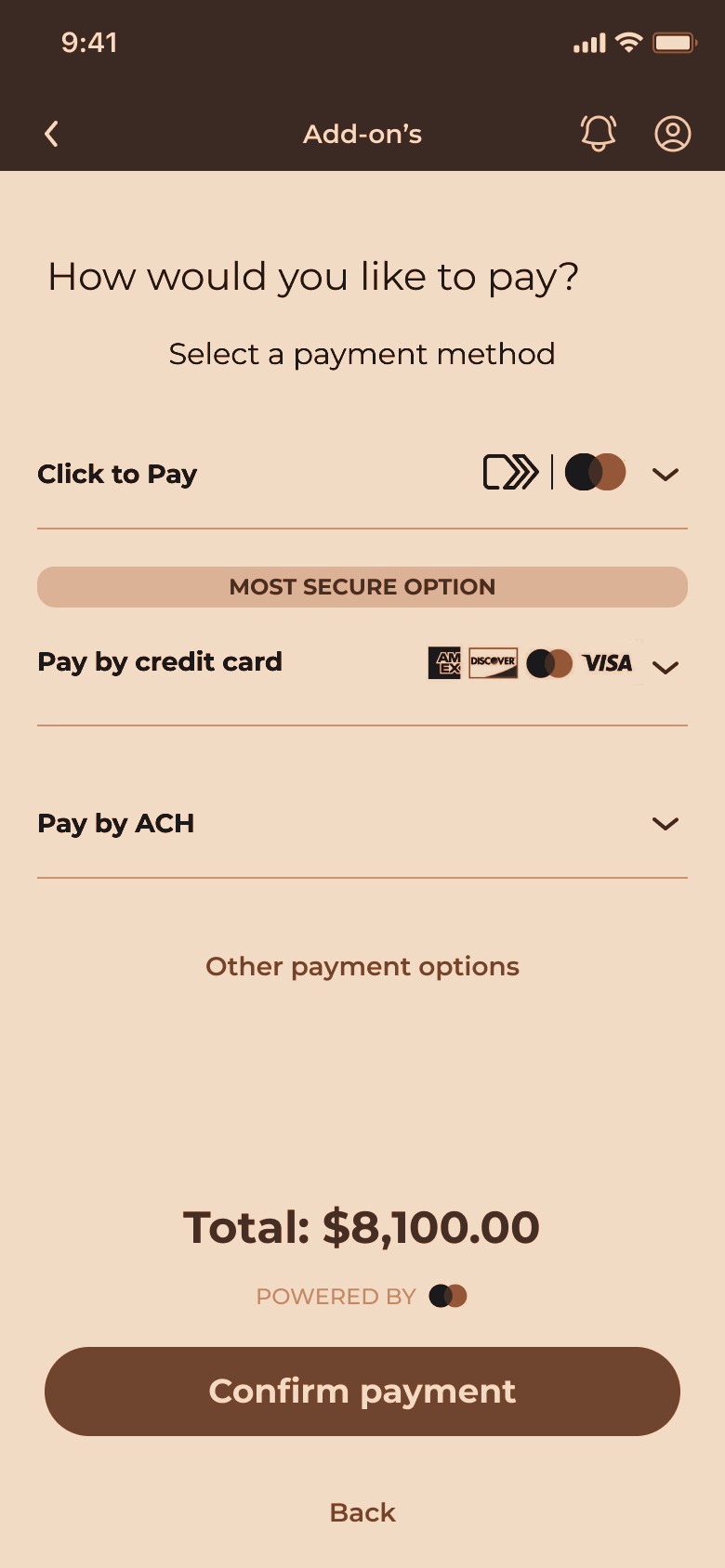
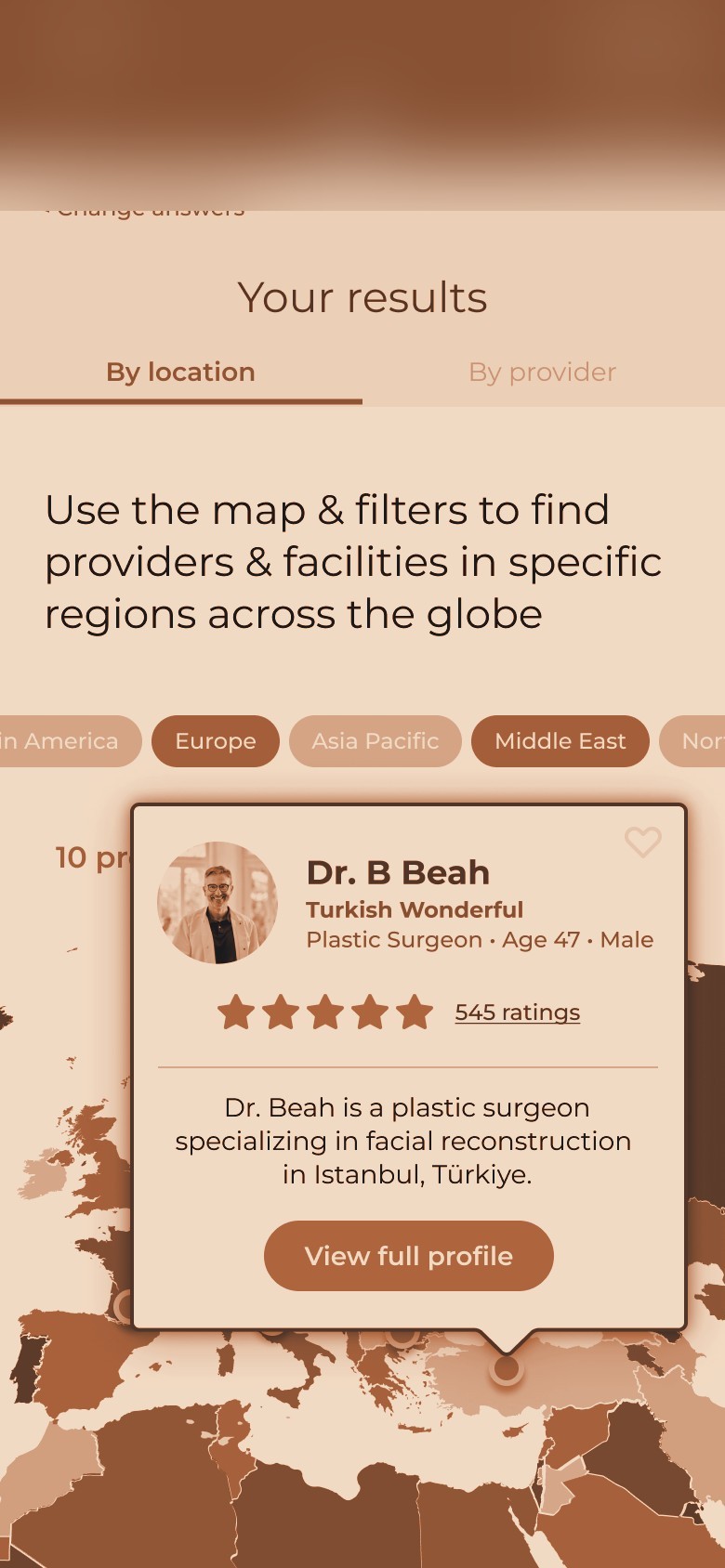
The week didn't end in a deck — it ended in a functional, high-fidelity prototype of the patient's trusted front door. App and client branding redacted.
A first-of-its-kind platform, and a real market opened
The engagement produced a validated, user-tested concept and carried it into development — an end-to-end platform for patient research, booking, communication, follow-up, and secure payments. It created new partnerships for both the client and the network, spun up a new accreditation process, and set the stage for first-follower competition.
Solving a real-world problem is at least as rewarding as the revenue. The product was never the app — it was turning "send your savings overseas and hope" into something a patient could actually trust.
A slice of a deeper toolkit — 70+ named research, product, and facilitation methods, drawn from a working library of 175+ structured activities. The right ones get pulled for the problem in the room.